
Is Elephant Bet Scam or Legit in Ethiopia?
Identity check: the document must match the account
Before considering a deposit, compare the name on the identity document, the account profile and the payment instrument. The available evidence does not identify Elephant Bet’s legal operator, so a brand name alone cannot establish who would hold funds or process a withdrawal. A mismatch between the person named on an identity document and the account or payment name is a practical stop sign: do not upload more documents or send money until the mismatch is explained through a verifiable, official channel.
The captured evidence also does not authenticate every website, mirror or mobile address using the brand. A page displaying the same name may be a different host. Record the exact address shown in the browser, the spelling of the domain, the certificate warning status and the name shown at checkout. Do not assume that a familiar logo proves common ownership.

What is known about the legal host
The precise host supplied for this review is elephantbet.et. The operator behind that domain is not identified in the captured sources. That distinction matters. A domain, a trading name and a legal entity are separate identity points; a reliable licence record should connect them clearly enough for a customer to know which business is responsible.
The Ethiopian Entertainment and Lottery Service (ELS) describes its role as issuing licences and regulating private lottery activity under its establishing framework. That makes the regulator’s record the relevant starting point for an Ethiopian sports-betting legality check. The available packet does not contain a current licence number, named licensee or domain-specific licence record connecting elephantbet.et to an authorised operator.
The public context record confirms only that the brand appears in user, review, forum, business-directory or search context. It is not evidence of a licence, safe operation, wrongdoing or a successful withdrawal. Public visibility should therefore be treated as an identity lead, not as approval.
| Identity point | Captured position | What it means |
|---|---|---|
| Brand | Elephant Bet | A trading name is visible, but does not identify the responsible legal entity. |
| Exact domain supplied | elephantbet.et | The address should be checked character by character; the packet does not authenticate all mirrors. |
| Operator | Not identified in captured sources | Ownership and accountability remain unresolved. |
| Licence record | No current Ethiopian sports-betting licence | The current national regulatory position is adverse. |
Current licence and legal position
The key dated event is nationwide rather than a brand-specific misconduct finding. EBC reports an ELS announcement that all sports-betting organisation licences were revoked effective 15 December 2025. A later report records an ELS warning in July 2026 that no sports-betting operator was currently licensed in Ethiopia. On the supplied dates, those records support a red signal for current local availability and legality.
This conclusion should be read precisely. It does not establish that Elephant Bet committed fraud, misappropriated money or made a false statement. It does establish that the evidence packet does not support treating an Ethiopian sports-betting licence as current after the nationwide revocation and subsequent warning. A page that still accepts registration or displays old licensing language would not, by itself, overcome the official position.
The red signal is therefore based on official adverse evidence, not on the public user-context listing. It applies to the question of whether an Ethiopian sports-betting licence can currently be relied upon. It does not decide every question about a balance, a foreign entity, a historical transaction or a mirror domain. Those issues require separate records that are not present here.
| Date or period | Record | Relevance |
|---|---|---|
| Before 15 December 2025 | Historical licensing status is not established in the supplied packet. | Do not reconstruct an earlier licence from present-day branding. |
| 15 December 2025 | ELS announcement, as reported by EBC, revoked all sports-betting organisation licences. | Marks the effective nationwide adverse action. |
| July 2026 | Reported ELS warning said no sports-betting operator was currently licensed. | Reinforces the current national position. |
| 28 August 2026 | Evidence packet checked. | Date of this review’s evidence boundary. |
Scam or legit: what the signal does and does not say
“Scam or legit” combines several different tests. Legality asks whether the activity is currently authorised in the relevant market. Identity asks which legal entity controls the service. Operational reliability asks whether deposits, verification and withdrawals work as promised. The supplied evidence answers the first question negatively for current Ethiopian sports-betting licensing, but it does not prove brand-specific criminal conduct or resolve the other two.
For that reason, a red regulatory signal should not be rewritten as a proven fraud finding. The safer conclusion is that customers in Ethiopia should not treat the service as a currently licensed local sportsbook. The unidentified operator and unauthenticated mirrors add identity risk, while the absence of a current licence means there is no supported basis here for presenting the service as locally approved.
A legitimate-looking interface, a large public footprint or a payment prompt does not replace a regulator record. Conversely, the absence of an identified operator in this packet is an evidence gap, not proof that no entity exists. Keep those propositions separate when assessing a page, an account or a disputed transaction.
Host, clone and login checks
Start with the address bar, not a search result. Type or copy the exact host into a private note and compare it with the address used during registration, login and payment. Look for added words, changed endings, substituted characters, unexpected redirects and different support addresses. A clone can reproduce colours and images while sending credentials or identity documents elsewhere.
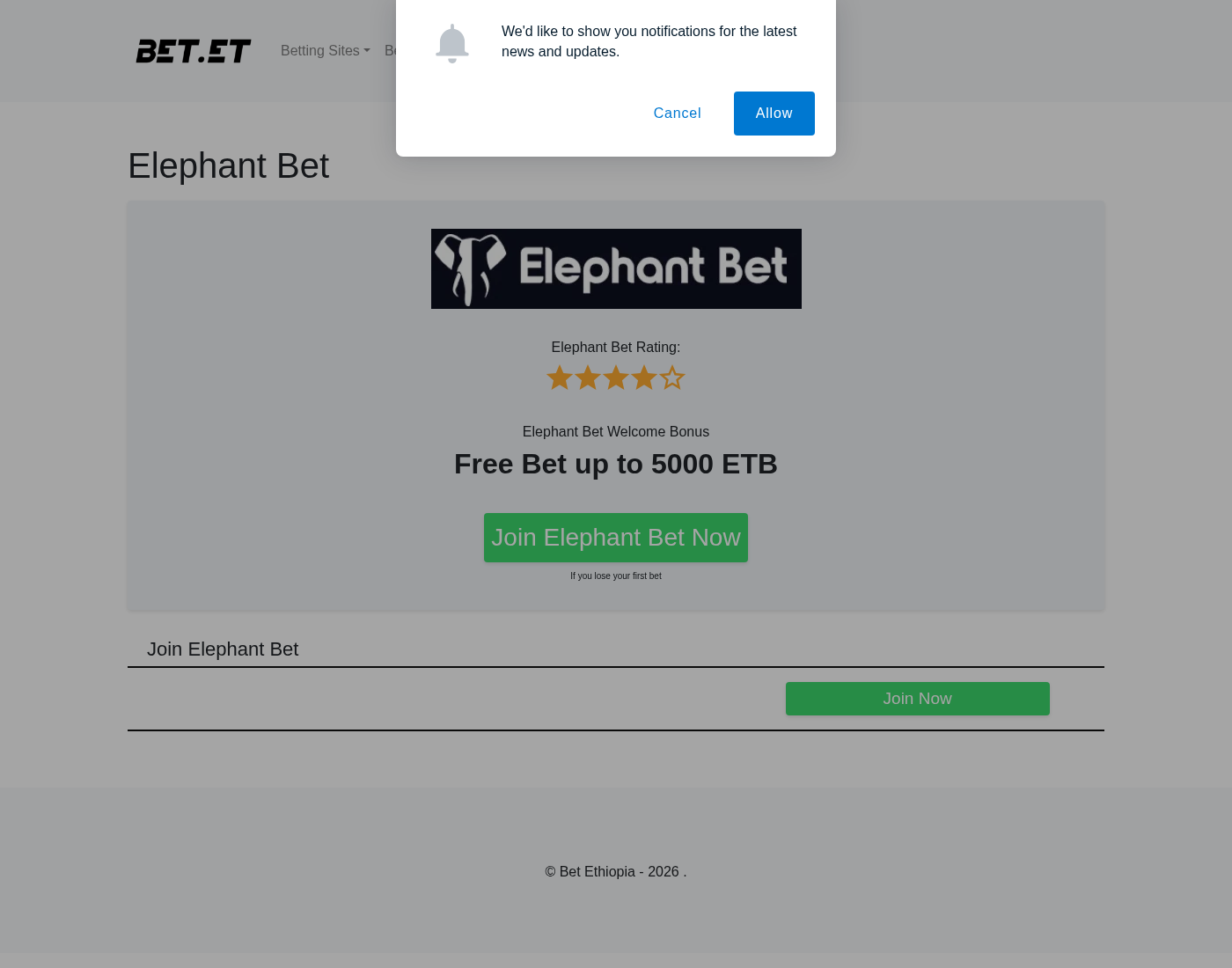
Do not use a supplied image as proof that a live host is genuine. The independent context capture records public brand visibility only. It does not verify ownership, licensing, account access or transaction performance. Preserve screenshots with the full browser address and timestamp if a dispute later arises, but redact passwords, one-time codes, identity numbers and full payment details.
| Check | Record | Stop condition |
|---|---|---|
| Domain spelling | Full host, including its ending | Any unexplained character, redirect or alternate address |
| Responsible entity | Legal name, registration details and support identity | The service will not identify the operator |
| Licence match | Regulator record linking entity and domain | Marketing language replaces a verifiable record |
| Login flow | Where credentials are entered and whether the host changes | Unexpected redirect or certificate warning |
| Payment destination | Exact account or merchant name before confirmation | Recipient name does not match the disclosed operator |
| Document upload | Purpose, retention and secure channel | Unclear request for identity or banking documents |
Account ownership and KYC evidence
KYC should confirm ownership of an account, not create a reason to send documents into an unverified process. Before uploading anything, check whether the account name, identity document and payment account belong to the same person. Keep a dated record of what was requested, the stated purpose, the submission channel and any deadline. Never share a password, verification code or complete card security code with support.
The available records contain no verified KYC policy, retention period, responsible entity, withdrawal test or customer outcome for this service. Those are unknowns, not negative findings. It is also unknown whether any particular document request came from the genuine operator, a mirror or an impersonator. If a request arrives by an unexpected message or a different host, pause and verify the address independently.
A request for identity material does not prove that a service is legitimate. Nor does a failed or delayed verification, without a dated and attributable record, prove wrongdoing. The useful evidence is specific: the exact host, the account identifier, the request wording, the disclosed legal entity and the payment trail. Avoid publishing or forwarding unnecessary personal data when seeking help.
Deposits, payment names and withdrawals
No payment method, deposit route, withdrawal result or processing time has been verified in the supplied packet. Do not present a payment logo, a checkout screen or a user-context listing as confirmation that funds can be recovered. Before any transaction, note the currency, fees, limits, recipient name, reference number and conditions shown at the final confirmation step. Take care with irreversible transfers and do not pay a second “release”, “tax” or “verification” amount merely because a message demands it.
The name receiving a payment should be compared with the disclosed operator and the legal entity shown in the service terms. A personal account, unrelated business name or changing recipient is an unresolved payment-risk indicator. It does not alone prove a crime, but it makes the transaction difficult to attribute and should prompt a pause.
If a withdrawal is pending, save the request time, amount, method, status, relevant terms and all support replies. Do not alter or delete the account history. The evidence packet contains no withdrawal test, so no claim can be made about payout speed, success, refusal or balance treatment.
| Payment question | Verified answer | Safe evidence to retain |
|---|---|---|
| Which methods are accepted? | Not verified. | The dated checkout screen and transaction reference, with sensitive details redacted. |
| Who receives funds? | Not verified. | Recipient name and confirmation record before payment. |
| Are fees or limits known? | Not verified. | The terms and final transaction summary shown at the time. |
| Has a withdrawal succeeded? | No withdrawal test is available. | Request timestamp, amount, status and support correspondence. |
| Can a second payment unlock funds? | No supplied evidence supports such a demand. | The demand, sender details and payment instructions; do not pay automatically. |
Complaints and an evidence packet
A complaint should distinguish an allegation from an established finding. Start with a short chronology: registration, deposits, verification requests, withdrawal request, support contacts and the latest response. Add the exact host used at each step. Then attach only relevant records, with passwords, one-time codes, identity numbers and unnecessary financial data removed.
Useful items include payment confirmations, account statements showing the transaction, screenshots with the full address and date, terms applicable at the time, ticket numbers and the name or address used by support. Keep original files safely and submit copies. Do not exaggerate the allegation or claim that a disputed balance proves fraud when the available evidence does not establish that conclusion.
The supplied July 2026 report records the 9695 reporting hotline in connection with the warning that no sports-betting operator was currently licensed. That is the strongest identified route for reporting a potentially unlicensed sports-betting operation in Ethiopia. The packet does not establish the outcome of any individual complaint, so a report should be treated as a request for assessment rather than a guaranteed recovery route.
For a structured preparation checklist, use the internal complaints guide. The legal checks guide explains how to separate a regulator record from an operator statement or public user context. Do not send identity documents to a directory, reviewer or unknown intermediary merely because it offers to “recover” funds.
Privacy and personal-data limits
There is no verified privacy notice, retention schedule or data controller in the supplied evidence. That means the handling of identity documents, payment information, device data and account messages cannot be assessed from this packet. Avoid uploading more information than is necessary, and keep a record of every channel to which documents were sent.
If documents were already submitted, change reused passwords from a clean device, enable available account security, monitor payment accounts and watch for targeted messages. Do not respond to requests for additional codes or remote access. These are precautionary steps, not proof that a data breach occurred.
When documenting a concern, mask document numbers, full card numbers, passwords and one-time codes. A regulator or payment provider may later request specific records through an official channel, but an unsolicited contact should not be trusted solely because it knows the brand or transaction amount. The responsible gambling guide covers safer next steps for anyone who wants to stop gambling activity.
Evidence chronology and review method
This dossier uses four supplied records with different roles. ELS is the relevant primary regulatory source for its licensing remit. EBC reports the revocation announcement and supplies the dated nationwide action. The later report records the July 2026 warning and hotline. The public context listing is used only to acknowledge that the brand appears in public search or user-related context; it is not used to infer safety, misconduct or licensing.
The assessment gives priority to current primary records, checks the dates, and limits the conclusion to what those records establish. The red signal follows the official adverse record: a current Ethiopian sports-betting licence cannot be relied upon on the supplied evidence after the effective nationwide revocation and later warning. Missing operator identity, payment results, KYC terms and withdrawal outcomes remain open evidence gaps.
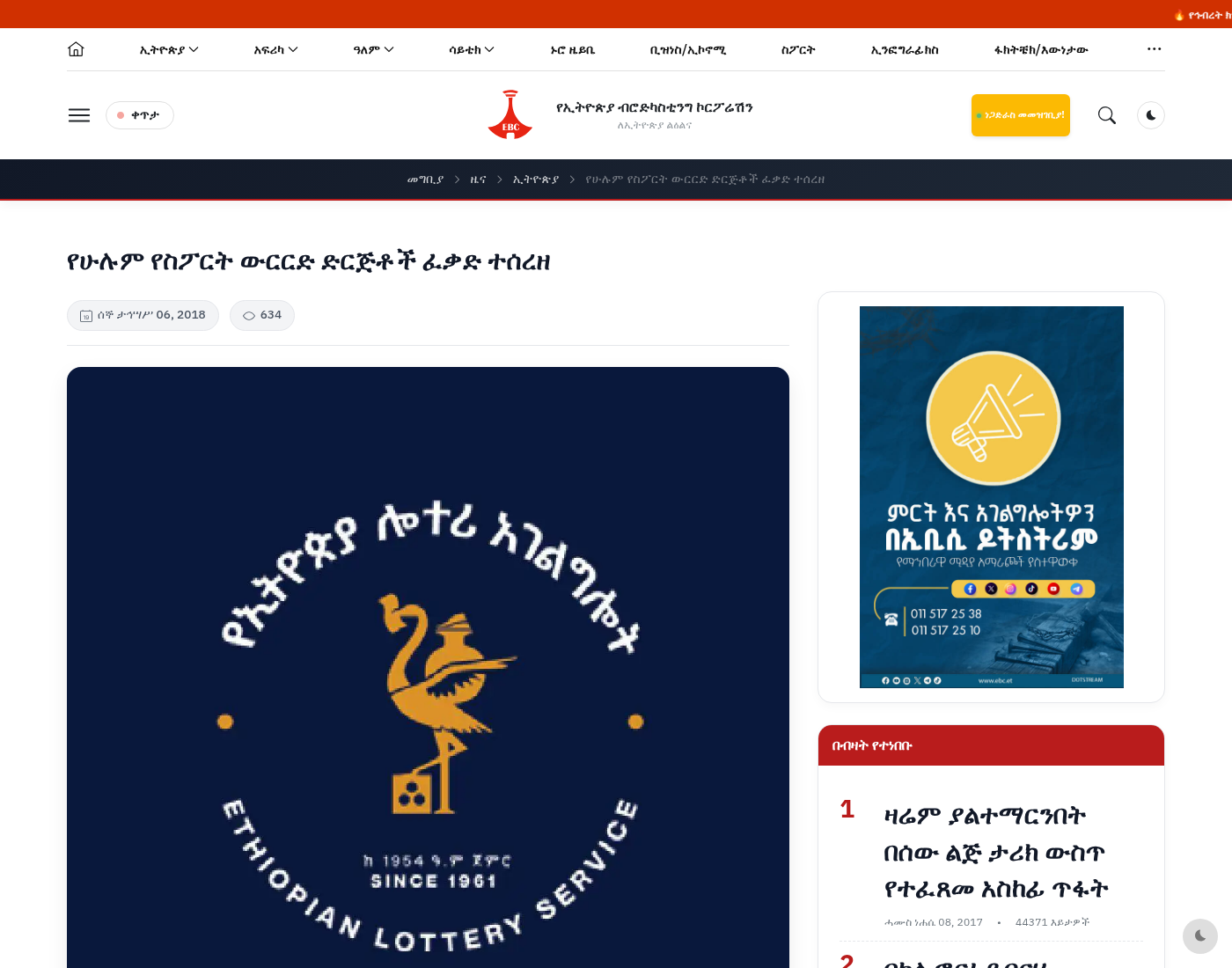
The methodology guide explains the distinction between primary evidence, operator material and user context. The revocation can be read in the EBC record, while the regulator’s remit is described by ELS. The later warning and hotline are recorded in this July 2026 report.
What would change the assessment
A correction would require attributable, dated evidence that addresses the precise issue rather than a new marketing page. Relevant material could include an official regulator record identifying the legal entity and exact domain, a later primary notice changing the national position, or a documented correction to a date or quotation. A logo, search result, anonymous message or undated licence claim would not be enough.
Send a correction through the contact route with the affected statement, source, publication date, exact host and a clear explanation of the proposed change. Do not include passwords or unredacted identity documents. The current conclusion should remain narrow: official records support a red signal for current Ethiopian sports-betting licensing, while brand-specific misconduct, balances, ownership of every mirror and data handling remain unverified.
For readers comparing the mechanics of other services, the payments overview and casino reviews provide separate routes. Continue from the file only after checking the precise host and current legal position independently.
Is Elephant Bet licensed in Ethiopia?
The supplied current evidence does not support a current Ethiopian sports-betting licence. EBC reported an ELS announcement revoking all sports-betting organisation licences effective 15 December 2025, and a later July 2026 report recorded an ELS warning that no sports-betting operator was currently licensed.
Does the red signal prove that Elephant Bet is a scam?
No. The red signal reflects official adverse evidence about the current Ethiopian sports-betting licensing position. It does not prove brand-specific fraud, criminal conduct, misappropriation or the outcome of any individual customer dispute.
Who operates Elephant Bet?
The operator is not identified in the captured sources. The supplied host is elephantbet.et, but the evidence does not connect that domain to a named legal entity through a current Ethiopian licence record.
Have Elephant Bet deposits or withdrawals been tested?
No. The supplied packet verifies no payment method, deposit route, withdrawal result, processing time or balance outcome. Any claim about successful or failed withdrawals would require separate dated evidence.
What should I check before sending KYC documents?
Compare the exact host, account name, identity document and payment name. Confirm the responsible legal entity through an attributable source, record what documents are requested and why, and pause if the request comes from an unexpected host, message or unexplained recipient.
How can I report a potentially unlicensed sportsbook?
The supplied July 2026 report records the 9695 reporting hotline in connection with the ELS warning that no sports-betting operator was currently licensed. Keep a dated chronology and relevant payment or account records, redact unnecessary personal data, and treat the report as a request for assessment rather than a guaranteed recovery route.