
Winner Bet Ethiopia: licence status, identity and risks

Verdict: red for current Ethiopian licensing. The local-looking address winner.et may suggest a direct Ethiopian connection, while the available identity information points only to a reported company name—Winner Sport Betting PLC—that has not been confirmed through a supplied primary company record. More importantly, the dated national evidence says that every sports-betting organisation licence was revoked from 15 December 2025. A later warning reported in July 2026 says that no sports-betting operator was then licensed in Ethiopia.
That official national position is enough to reject any claim that the service currently holds an Ethiopian sports-betting licence. It is not, by itself, proof that the brand committed fraud, that every associated address belongs to the same business, or that a particular customer balance has been withheld. “Unlicensed in Ethiopia” and “proven scam” are different findings. The supported conclusion is narrower: Ethiopian players should not treat the service as a currently locally licensed betting operator.
| Question | Evidence-led answer | Confidence |
|---|---|---|
| Is it currently licensed for sports betting in Ethiopia? | No. The national revocation and later no-licensed-operator warning contradict such a claim. | High for the current national position |
| Is the reported company identity primary-verified? | No. Winner Sport Betting PLC is reported, but no accepted primary company record was supplied. | Open |
| Does the evidence prove fraud? | No. The records establish an adverse licensing position, not brand-specific criminal conduct. | High |
| Were deposits or withdrawals tested? | No. No transaction test or account-level record was supplied. | Unknown |
Why the Ethiopian domain does not settle the legal question
A country-code address can help users recognise a market-facing service, but it is not a gambling licence. The exact address identified in the brief is winner.et. No accepted record in the evidence packet connects that address to a currently valid Ethiopian sports-betting authorisation, a licence number, or a primary-verified legal entity. The domain therefore cannot carry the weight of a regulatory claim.
The practical test requires three matching elements: the exact internet address, the legal entity controlling it, and a current authorisation issued by the competent Ethiopian authority. A name or logo alone is insufficient because similar names can be used by unrelated entities, old pages can remain online after regulatory change, and copied branding can appear on unofficial addresses. A player should expect all three elements to be stated consistently in legal notices and confirmed independently.
| Identity element | What is available | What remains unresolved |
|---|---|---|
| Exact address | winner.et is the address supplied for examination. | No primary record supplied ties it to a current licence. |
| Brand identity | The brand appears in public review or directory context. | Public appearance does not authenticate ownership. |
| Legal entity | Winner Sport Betting PLC is reported. | The company name is not primary-verified in this packet. |
| Ethiopian licence | No current sports-betting licence is supported. | No licence number, scope or reinstatement record was supplied. |
What the national licence evidence establishes
The strongest dated record is the Ethiopian Broadcasting Corporation report of the Ethiopian Lottery Service announcement. It says all sports-betting organisation licences were revoked with effect from 15 December 2025. The concise EBC account of the nationwide revocation is relevant because it concerns the whole licensed sports-betting category rather than an isolated complaint.
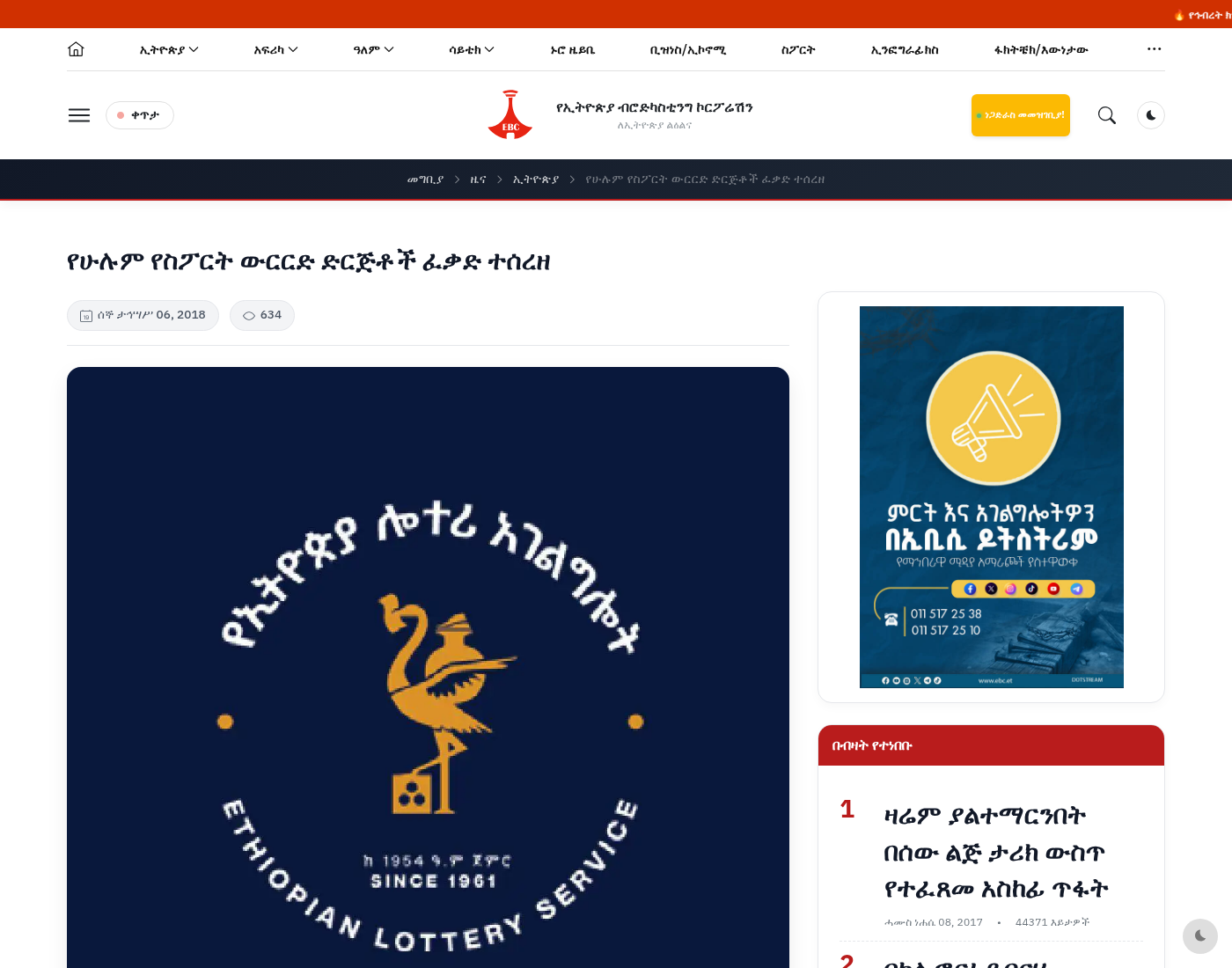
The Ethiopian Lottery Service describes itself as issuing licences and regulating private lottery activity under its establishing framework. A separate July 2026 report records an ELS warning that no sports-betting operator was currently licensed and gives 9695 as a reporting hotline. The reported July 2026 ELS warning reinforces the continuing national position after the December action.
These records justify the red signal because they are official or report an official adverse action. They do not establish why any individual brand remained visible, whether an old account interface was accessible, or whether a business was operating from outside Ethiopia. They also do not prove that every payment request, message or social-media account using the name came from one organisation.
Chronology and the limits of the red signal
| Date | Recorded event | Meaning for the assessment |
|---|---|---|
| 15 December 2025 | All sports-betting organisation licences were reported revoked from this date. | A previous licence claim cannot establish current Ethiopian authorisation. |
| July 2026 | ELS was reported as warning that no sports-betting operator was licensed. | The nationwide adverse position was reported as continuing. |
| 28 August 2026 | The accepted records and public-context capture were checked. | No supplied reinstatement or current brand-specific licence was identified. |
Red is a regulatory-risk classification, not a finding that every allegation about Winner Bet is true. The packet contains no competent finding of theft, deception, money laundering, manipulated results or refusal to pay a named customer. It also contains no court ruling, audited financial statement, transaction ledger or verified complaint outcome. Those claims must not be inferred from a nationwide licensing action.
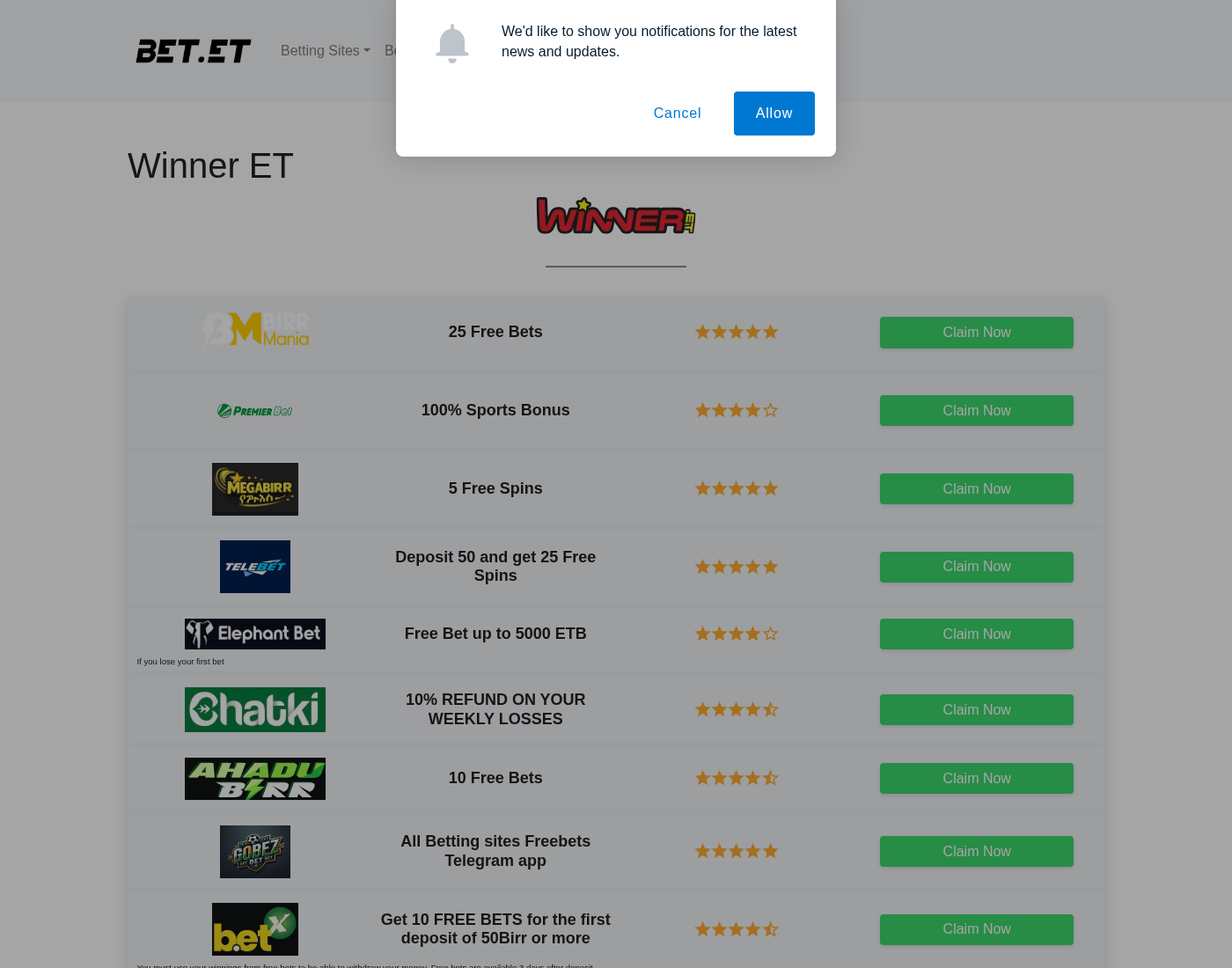
The user-context source only shows that the name appears in public review, directory or search material. It is contextual rather than authoritative. It cannot prove safety, wrongdoing, ownership, payment performance or legal status. Its role is limited to showing how the service has been presented publicly.
Payments, withdrawals and KYC remain unverified
No supported record identifies the deposit methods, withdrawal channels, transaction fees, processing times, minimum amounts or currency rules offered at the exact address. There was no funded account test. It would therefore be unsafe to promise mobile-money support, bank transfers, card acceptance, quick withdrawals or a specific cash-out time.
KYC is equally unresolved. No accepted terms or privacy record establishes which identity documents are requested, when verification occurs, where documents are stored, or which entity controls personal data. Before sending an identity card, passport image, bank statement or selfie, a user should identify the legal recipient, the purpose of collection, the retention period and an effective deletion or complaint channel. A request sent through an informal message account deserves particular caution.
| Area | Verified finding | Safer action |
|---|---|---|
| Deposits | No method or recipient account was verified. | Do not send money merely because instructions use the brand name. |
| Withdrawals | No withdrawal test or outcome exists. | Keep the request, reference number, stated deadline and response. |
| KYC | No document policy was accepted as evidence. | Do not send extra documents until the recipient and purpose are clear. |
| Fees and limits | No supported schedule was supplied. | Save the terms shown before any transaction and compare later changes. |
A person with an existing balance should avoid paying an unexpected “release fee”, “tax”, “verification deposit” or fresh wager unless the contractual basis and recipient can be independently verified. Sending more money does not guarantee access to an earlier balance. The broader warning signs and preservation steps are covered in the payment-risk guide.
Checking the real address and possible clones
Start with the address bar, not a logo received through a message. Compare every character in the address, including hyphens, added words, substituted letters and the ending after the final dot. A clone may reproduce colours and layouts while using a different address. A secure-connection icon only indicates encrypted transport to that address; it does not prove that the recipient is licensed or genuine.
- Type the known address manually rather than following an unsolicited message.
- Record the complete address shown on registration, payment and document-upload screens.
- Check whether the same legal entity, physical address and contact details appear consistently.
- Look for a licence number and verify it against a current regulator record; an image of a certificate is not enough.
- Compare the named payment recipient with the disclosed legal entity.
- Stop if support redirects payment or KYC to an unrelated personal account.
No evidence packet authenticates mirror addresses, applications, social accounts or agents. Consequently, only the exact address named above is within scope, and even that address lacks a supported current licence match. Use the Ethiopian legal-check process to separate domain recognition from regulatory proof.
How to handle a balance or withdrawal dispute
Build a dated record before arguing about conclusions. Save the account identifier, the complete address, deposit receipts, withdrawal requests, transaction references, KYC requests, applicable terms and all support replies. Capture enough context to show dates and the account involved, while masking passwords, one-time codes and unnecessary identity numbers in copies shared with third parties.
Send one clear written complaint stating the amount, transaction date, requested remedy and a reasonable response deadline. Ask the recipient to identify the legal entity handling the account and the contractual clause relied on. Do not describe an allegation as an established crime. If the dispute concerns an unauthorised payment, contact the bank or payment provider promptly because reporting windows may apply.
The July 2026 report records 9695 as the ELS reporting hotline. That is a reporting route, not a guarantee of recovery or a ruling on an individual account. The structured complaint guide explains evidence preservation and escalation. If gambling is creating immediate financial or personal danger, use urgent support options and stop further deposits.
Method used and what could change the finding
The assessment separates primary regulatory material from public context. The EBC report of the ELS announcement and the later report of the ELS warning support the current national status. The ELS institutional description supports its regulatory role. The independent brand listing is treated only as user context and is not used to establish legality, ownership or payment reliability.
A green finding would require current primary evidence matching the exact address, the controlling legal entity and an active Ethiopian sports-betting authorisation. A dated reinstatement notice that applies nationally but does not identify the entity and address would still leave an identity gap. Likewise, an operator statement, certificate image or directory listing would not override a contrary current regulator record.
Corrections should include a stable primary record, its publication date, the exact entity name, licence number and the address covered. Account disputes should include redacted transaction evidence rather than unsupported accusations. The broader evidence standards are set out in the review methodology. The single routed commercial option is available at Continue from the evidence file; it does not alter the red licensing finding and should not be treated as approval.
Frequently asked questions
Is Winner Bet legal in Ethiopia?
No current Ethiopian sports-betting licence is supported. The accepted evidence reports that all such licences were revoked effective 15 December 2025, followed by a July 2026 warning that no sports-betting operator was licensed.
Is Winner Bet a scam?
The evidence does not prove brand-specific fraud. The supported adverse finding concerns current Ethiopian licensing. No court ruling, verified transaction test or competent finding of theft was supplied.
Does winner.et prove that the operator is Ethiopian and authorised?
No. An Ethiopian country-code address does not itself prove ownership or licensing. The exact address, controlling legal entity and current licence must match in primary records.
Are deposits and withdrawals verified?
No. No funded test, payment-method record, fee schedule or withdrawal outcome was supplied. Users should not assume that any method, limit or processing time is available.
Where can I report a concern?
The July 2026 report records 9695 as the ELS reporting hotline. Keep transaction records and communications, contact the relevant payment provider promptly where necessary, and understand that reporting does not guarantee recovery.
What evidence could change the red signal?
Current primary evidence would need to match the exact address, the controlling legal entity and an active Ethiopian sports-betting authorisation. A logo, directory entry, operator statement or certificate image alone would not be sufficient.